


What are the traffic management considerations for a freight elevator in a shopping mall?
Jul 09, 2025
Leave a message
Traffic management for a freight elevator in a shopping mall is a multifaceted challenge that requires careful planning and strategic implementation. As a freight elevator supplier, I've witnessed firsthand the impact of effective and ineffective traffic management on the overall operation of shopping malls. In this blog, I'll delve into the key considerations for managing traffic in a shopping mall's freight elevator system, highlighting the importance of these factors and providing practical insights for optimizing elevator usage.
Understanding the Traffic Patterns
The first step in effective traffic management is to understand the unique traffic patterns within the shopping mall. Unlike passenger elevators, freight elevators are primarily used for transporting goods, equipment, and supplies. This means that the traffic flow is often more sporadic and less predictable. For example, deliveries from suppliers may occur at specific times of the day, while restocking and maintenance activities may have their own schedules.
To gain a comprehensive understanding of the traffic patterns, it's essential to conduct a thorough analysis of the mall's operations. This includes identifying peak and off-peak hours, the types of goods being transported, and the frequency of elevator usage. By collecting and analyzing this data, mall managers can develop a detailed traffic profile that serves as the foundation for their traffic management strategy.
Capacity Planning
Once the traffic patterns are understood, the next step is to determine the appropriate capacity of the freight elevator system. This involves considering factors such as the size and weight of the goods being transported, the number of floors the elevator needs to serve, and the expected volume of traffic.
It's important to note that the capacity of a freight elevator is not solely determined by its physical dimensions. Other factors, such as the speed of the elevator, the efficiency of its control system, and the availability of loading and unloading areas, also play a crucial role in determining its overall capacity.
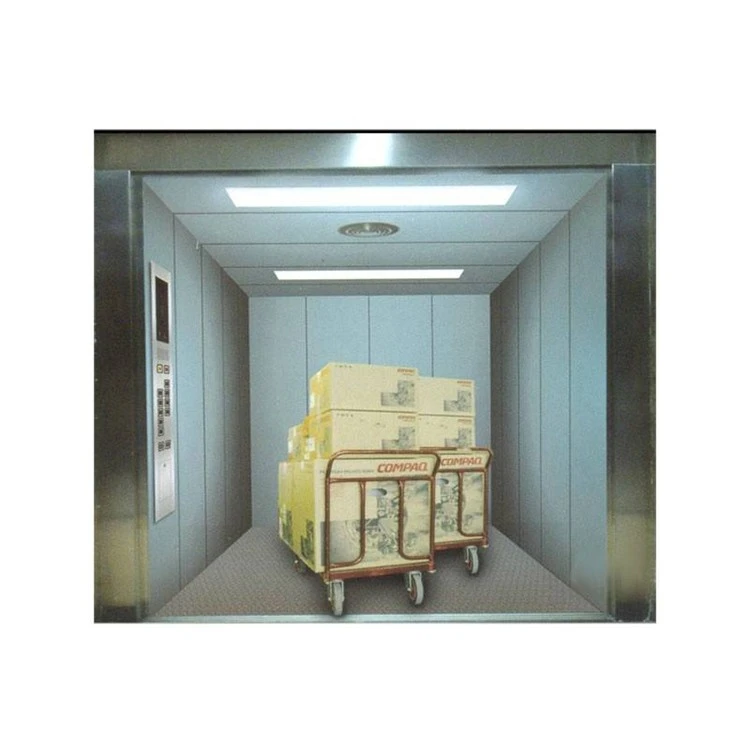
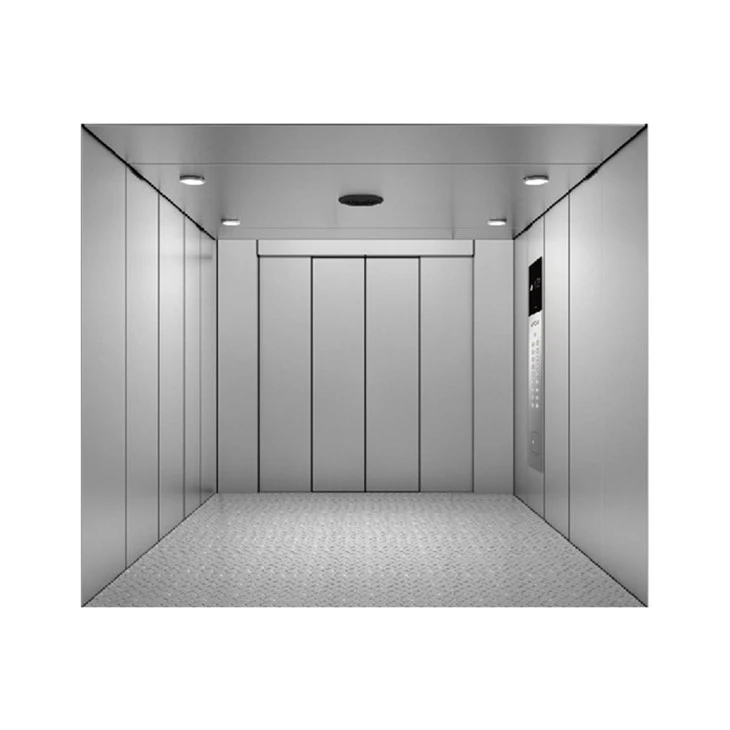
As a freight elevator supplier, I recommend working closely with mall managers to assess their specific needs and recommend the most suitable elevator models. For instance, our Industrial Freight Elevator is designed to handle heavy loads and is ideal for transporting large equipment and supplies. On the other hand, our Cargo Elevator is more versatile and can be customized to meet the specific requirements of different shopping malls.
Scheduling and Prioritization
In a busy shopping mall, it's common for multiple users to require the use of the freight elevator simultaneously. To ensure efficient operation, it's essential to implement a scheduling and prioritization system. This system should take into account the urgency of the task, the size and weight of the load, and the availability of the elevator.
One approach to scheduling is to use a reservation system. This allows users to book the elevator in advance, ensuring that they have access to it when they need it. Additionally, a priority system can be implemented to ensure that critical tasks, such as emergency repairs or time-sensitive deliveries, are given precedence over less urgent tasks.
Another important aspect of scheduling is to minimize the time spent on loading and unloading. This can be achieved by providing clear guidelines and training to users, as well as ensuring that the loading and unloading areas are well-designed and equipped with the necessary tools and equipment.
Safety and Security
Safety and security are of utmost importance when it comes to freight elevator traffic management. Shopping malls are public spaces, and it's essential to ensure that the elevator system is safe for all users. This includes implementing safety features such as emergency stop buttons, overload protection, and door interlocks.
In addition to safety, security is also a major concern. Freight elevators can be a target for theft and vandalism, especially if they are not properly monitored. To address this issue, it's recommended to install security cameras in and around the elevator, as well as implement access control systems to restrict unauthorized access.
Maintenance and Upkeep
Regular maintenance and upkeep are essential for ensuring the smooth operation of the freight elevator system. This includes conducting routine inspections, lubricating moving parts, and replacing worn-out components. By investing in regular maintenance, mall managers can prevent breakdowns and extend the lifespan of the elevator.
As a freight elevator supplier, we offer comprehensive maintenance services to ensure that our elevators are always in top condition. Our team of experienced technicians is available 24/7 to respond to any emergencies and provide prompt repairs.
Integration with Other Systems
In a modern shopping mall, the freight elevator system is often integrated with other systems, such as the building management system (BMS) and the security system. This integration allows for greater control and monitoring of the elevator, as well as improved coordination with other building functions.
For example, the BMS can be used to monitor the elevator's performance, schedule maintenance tasks, and adjust the elevator's operation based on the traffic patterns. The security system can be integrated with the elevator to ensure that only authorized personnel have access to it.
Staff Training and Education
Finally, it's important to provide staff training and education to ensure that they understand the proper use and operation of the freight elevator. This includes training on safety procedures, loading and unloading techniques, and the use of the elevator's control system.
By investing in staff training and education, mall managers can reduce the risk of accidents and ensure that the elevator is used efficiently and effectively.
Conclusion
Managing traffic in a shopping mall's freight elevator system is a complex but essential task. By understanding the traffic patterns, planning for capacity, implementing a scheduling and prioritization system, ensuring safety and security, conducting regular maintenance, integrating with other systems, and providing staff training and education, mall managers can optimize the operation of the elevator and improve the overall efficiency of the shopping mall.
If you're a shopping mall manager or developer looking for a reliable freight elevator supplier, I encourage you to contact us. We have a wide range of Warehouse Freight Elevator solutions to meet your specific needs, and our team of experts is ready to work with you to develop a customized traffic management strategy.
References
- "Elevator and Escalator Handbook" by Joseph J. Sirignano
- "Building Services Design for Architects, Surveyors and Engineers" by Andrew Martin
Send Inquiry