


How to measure the energy consumption of a freight elevator?
Jul 21, 2025
Leave a message
As a freight elevator supplier, understanding how to measure the energy consumption of a freight elevator is crucial for both our customers and our business. Energy consumption is not only a significant cost factor but also an important consideration for environmental sustainability. In this blog post, I will share some methods and considerations for measuring the energy consumption of freight elevators.
Understanding the Basics of Freight Elevator Energy Consumption
Before delving into the measurement methods, it's essential to understand the factors that contribute to the energy consumption of a freight elevator. The primary energy-consuming components of a freight elevator include the motor, control system, lighting, and ventilation. The motor is responsible for moving the elevator car up and down, and its energy consumption depends on factors such as the weight of the load, the height of the lift, and the speed of the elevator. The control system manages the operation of the elevator, including door opening and closing, floor selection, and safety features. Lighting and ventilation systems are used to provide a comfortable and safe environment for passengers and cargo.
Methods for Measuring Energy Consumption
There are several methods for measuring the energy consumption of a freight elevator. The most common methods include direct measurement, indirect measurement, and simulation.
Direct Measurement
Direct measurement involves using energy meters to measure the actual energy consumption of the elevator. Energy meters can be installed at the main power supply of the elevator or at individual components such as the motor, control system, and lighting. By measuring the energy consumption at different points, we can get a detailed breakdown of the energy usage of the elevator.
To measure the energy consumption of the motor, for example, we can install a power meter on the motor's power supply line. The power meter will measure the voltage, current, and power factor of the motor, and calculate the energy consumption based on these parameters. Similarly, we can install energy meters on the control system, lighting, and ventilation systems to measure their energy consumption.
Direct measurement provides accurate and real-time data on the energy consumption of the elevator. However, it requires the installation of energy meters, which can be costly and time-consuming. In addition, direct measurement may not be suitable for all types of elevators, especially those with complex control systems or multiple power sources.
Indirect Measurement
Indirect measurement involves estimating the energy consumption of the elevator based on its operating parameters. This method is often used when direct measurement is not feasible or cost-effective. To estimate the energy consumption of the motor, for example, we can use the following formula:
[E = \frac{W \times H \times g}{ \eta \times 3600}]
Where:
- (E) is the energy consumption in kilowatt-hours (kWh)
- (W) is the weight of the load in kilograms (kg)
- (H) is the height of the lift in meters (m)
- (g) is the acceleration due to gravity ((9.81 m/s^2))
- (\eta) is the efficiency of the motor
By knowing the weight of the load, the height of the lift, and the efficiency of the motor, we can estimate the energy consumption of the motor. Similarly, we can estimate the energy consumption of the control system, lighting, and ventilation systems based on their operating parameters.
Indirect measurement is a cost-effective and convenient method for estimating the energy consumption of the elevator. However, it provides only an estimate, and the accuracy of the estimate depends on the accuracy of the input parameters. In addition, indirect measurement may not take into account all the factors that affect the energy consumption of the elevator, such as the elevator's operating frequency and the efficiency of the control system.
Simulation
Simulation involves using computer models to simulate the operation of the elevator and estimate its energy consumption. This method is often used to evaluate the energy performance of different elevator designs and operating strategies. By simulating the elevator's operation under different conditions, we can identify the factors that contribute to its energy consumption and develop strategies to reduce it.
To simulate the energy consumption of the elevator, we need to input the elevator's design parameters, such as the weight of the car, the capacity of the motor, and the efficiency of the control system, as well as the operating parameters, such as the frequency of use, the weight of the load, and the height of the lift. The computer model will then calculate the energy consumption of the elevator based on these parameters.
Simulation provides a comprehensive and detailed analysis of the energy consumption of the elevator. It allows us to evaluate the energy performance of different elevator designs and operating strategies, and identify the most energy-efficient solutions. However, simulation requires the use of specialized software and expertise, and it may not be suitable for all types of elevators.
Considerations for Measuring Energy Consumption
When measuring the energy consumption of a freight elevator, there are several considerations that we need to keep in mind.
Operating Conditions
The energy consumption of the elevator depends on its operating conditions, such as the weight of the load, the height of the lift, the speed of the elevator, and the frequency of use. To get an accurate measurement of the energy consumption, we need to measure it under typical operating conditions. For example, if the elevator is used to transport heavy loads most of the time, we should measure its energy consumption when transporting heavy loads.
Measurement Period
The measurement period also affects the accuracy of the energy consumption measurement. To get a representative measurement of the energy consumption, we need to measure it over a sufficient period of time. For example, if the elevator is used seasonally, we should measure its energy consumption over a full season to account for the variation in its operating conditions.
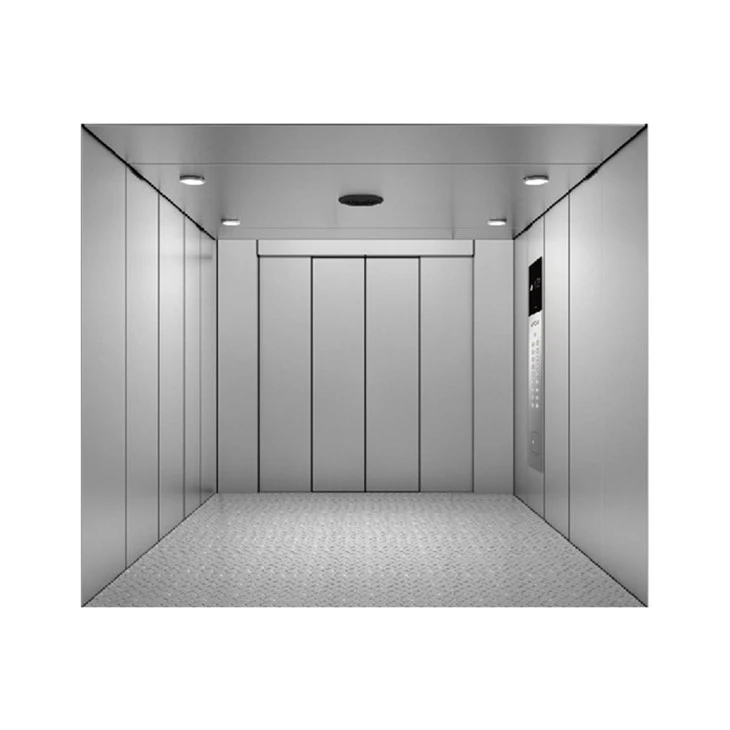

Energy Efficiency Standards
In addition to measuring the energy consumption of the elevator, we also need to compare it with the energy efficiency standards set by relevant organizations. For example, the European Union has established energy efficiency standards for elevators, which specify the maximum energy consumption allowed for different types of elevators. By comparing the energy consumption of our elevators with these standards, we can ensure that our products meet the energy efficiency requirements of our customers.
Conclusion
Measuring the energy consumption of a freight elevator is an important step in improving its energy efficiency and reducing its operating costs. By using direct measurement, indirect measurement, or simulation, we can get a detailed understanding of the energy usage of the elevator and identify areas for improvement. When measuring the energy consumption, we need to consider the operating conditions, measurement period, and energy efficiency standards to ensure the accuracy and reliability of the measurement.
As a freight elevator supplier, we are committed to providing our customers with energy-efficient and sustainable elevator solutions. By understanding how to measure the energy consumption of our elevators, we can develop products that meet the energy efficiency requirements of our customers and contribute to a more sustainable future.
If you are interested in learning more about our Cargo Elevator, Warehouse Freight Elevator, or Large Freight Elevator, or if you have any questions about measuring the energy consumption of freight elevators, please feel free to contact us for a consultation. We look forward to working with you to find the best elevator solution for your needs.
References
- "Energy Efficiency in Elevators and Escalators," International Energy Agency.
- "Elevator and Escalator Energy Efficiency Standards," European Union.
Send Inquiry