


How do you improve the energy efficiency of a passenger lift?
Jun 10, 2025
Leave a message
Hey there! As a supplier of passenger lifts, I've seen firsthand how crucial energy efficiency is in today's world. Not only does it save money for building owners, but it also helps reduce our carbon footprint. So, in this blog post, I'm gonna share some tips on how you can improve the energy efficiency of a passenger lift.
1. Upgrade to Energy - Efficient Motors
One of the most effective ways to boost a lift's energy efficiency is by upgrading the motor. Traditional motors can be real energy hogs. Newer, high - efficiency motors, on the other hand, are designed to use less power while still providing the same level of performance.
These modern motors often use variable frequency drives (VFDs). VFDs adjust the motor's speed according to the lift's actual load and travel requirements. For example, when the lift is carrying a light load or traveling a short distance, the motor can run at a lower speed, consuming less energy.
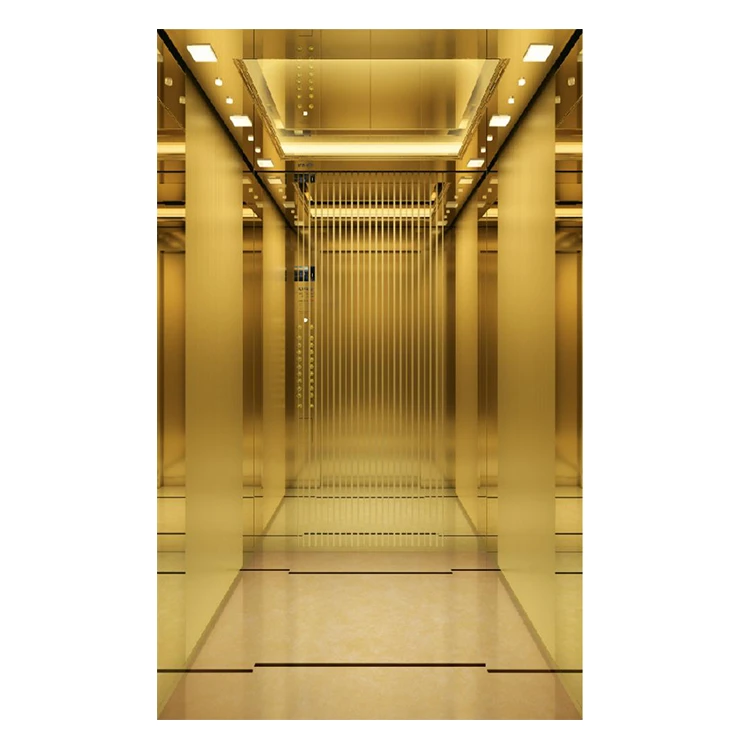
If you're in the market for a new lift, consider our Single Passenger Lift. It comes with state - of - the - art energy - efficient motors that can significantly cut down on energy consumption.

2. Implement Regenerative Drives
Regenerative drives are another great addition to a passenger lift. When a lift descends, it generates energy. In a traditional lift, this energy is usually wasted as heat. But with a regenerative drive, this energy is captured and fed back into the building's electrical system.
This not only reduces the lift's overall energy consumption but also helps offset the energy used by other equipment in the building. It's like getting free energy every time the lift goes down!
3. Optimize Lift Scheduling and Dispatching
Smart lift scheduling and dispatching systems can make a huge difference in energy efficiency. By analyzing traffic patterns and predicting when and where passengers will need the lift, these systems can group passengers more effectively.
For instance, instead of having the lift make multiple stops for single passengers on different floors, it can be programmed to wait and pick up multiple passengers at once. This reduces the number of unnecessary trips and stops, saving energy.
Our lifts can be integrated with advanced scheduling and dispatching software that can be customized according to the specific needs of your building.
4. Use LED Lighting
Lifts are often equipped with lighting for passenger comfort. However, traditional incandescent or fluorescent lights can consume a significant amount of energy. Switching to LED lighting is a simple yet effective way to save energy.
LED lights use up to 80% less energy than traditional lighting options and have a much longer lifespan. They also produce less heat, which can help keep the lift's interior cooler, reducing the load on the ventilation system.
5. Improve Door Operations
The doors of a passenger lift are used frequently, and inefficient door operations can waste energy. Make sure the doors open and close smoothly and quickly. Slow - moving or malfunctioning doors can cause the lift to stay idle for longer periods, consuming more energy.
Regular maintenance of the door mechanisms is essential. Lubricate the moving parts, check the sensors, and ensure that the doors seal properly when closed. This prevents air leakage and reduces the energy needed to maintain the lift's interior temperature.
6. Install Energy - Saving Controls
Modern lift control systems come with a variety of energy - saving features. For example, there are sleep modes that can be activated when the lift is not in use for an extended period. In sleep mode, the lift uses minimal power, only waking up when a call is received.
Some control systems also adjust the lift's performance based on the time of day. During off - peak hours, the lift can operate at a lower speed or with reduced functionality to save energy.
7. Consider the Lift's Design and Installation
The design and installation of the lift can also impact its energy efficiency. For example, proper insulation of the lift shaft can prevent heat transfer, reducing the energy needed to heat or cool the lift.
Also, the location of the lift within the building matters. Placing it in an area with good natural ventilation can reduce the reliance on mechanical ventilation systems, saving energy.
When you're looking for a lift, consider the overall design and installation options. You can check out Passenger Lifts Passenger Elevator Price to see the different models and their features.
8. Regular Maintenance
Last but not least, regular maintenance is crucial for ensuring the energy efficiency of a passenger lift. A well - maintained lift operates more smoothly and uses less energy.
Schedule regular inspections by qualified technicians. They can check the motor, brakes, cables, and other components for wear and tear. Replace any worn - out parts promptly to prevent the lift from working harder than it needs to.
As a Passenger Lift Companies, we offer comprehensive maintenance services to keep your lift running at its most energy - efficient.
Conclusion
Improving the energy efficiency of a passenger lift is not only good for the environment but also for your bottom line. By implementing these tips, you can significantly reduce the energy consumption of your lift and save money on electricity bills.
If you're interested in learning more about our energy - efficient passenger lifts or need help with upgrading your existing lift, don't hesitate to get in touch. We're here to assist you in making the best choice for your building.
References
- ASHRAE (American Society of Heating, Refrigerating and Air - Conditioning Engineers). "Energy - Efficient Elevator and Escalator Design."
- Elevator World Magazine. Various articles on lift energy efficiency.
Send Inquiry