


Are there any insurance requirements for car elevators?
Dec 26, 2025
Leave a message
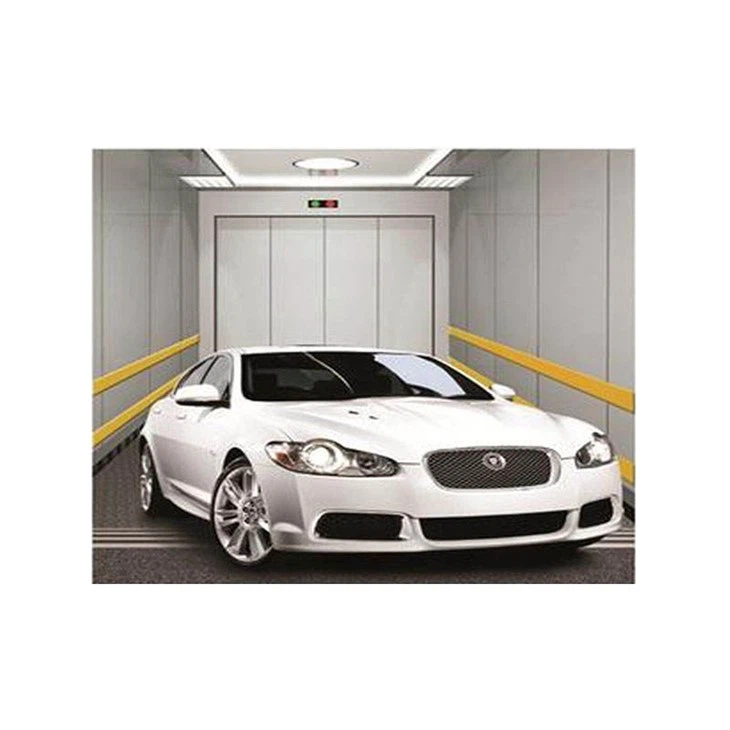
Are there any insurance requirements for car elevators? As a seasoned car elevator supplier, I've encountered numerous inquiries regarding this topic. Car elevators, whether they are Garage Elevator for Cars or Commercial Car Elevator, play a crucial role in modern automotive infrastructure, offering efficient vertical transportation solutions for vehicles. In this blog post, I will delve into the insurance requirements associated with car elevators, providing valuable insights for customers and industry professionals alike.
Understanding the Importance of Insurance for Car Elevators
First and foremost, it's essential to recognize why insurance is necessary for car elevators. Car elevators are complex mechanical systems that involve significant risks. Malfunctions, accidents, and even natural disasters can lead to substantial property damage, personal injury, or even loss of life. Insurance serves as a financial safety net, protecting elevator owners, operators, and users from the potentially devastating consequences of unforeseen events.
For example, if a car elevator malfunctions and causes damage to a vehicle or injures a person, the resulting liability claims can be extremely costly. Without adequate insurance coverage, the elevator owner could be held personally responsible for these expenses, which could potentially bankrupt the business or individual. Additionally, insurance can help cover the cost of repairs or replacement in the event of damage to the elevator itself, ensuring that it can be restored to proper working condition as quickly as possible.
Types of Insurance Coverage for Car Elevators
There are several types of insurance coverage that are relevant to car elevators. The most common types include:
Property Insurance
Property insurance provides coverage for damage to the car elevator itself, including the mechanical components, electrical systems, and structural elements. This type of insurance can help cover the cost of repairs or replacement in the event of damage caused by fire, theft, vandalism, or natural disasters such as earthquakes or floods.
Liability Insurance
Liability insurance protects the elevator owner and operator from legal claims arising from bodily injury or property damage caused by the elevator. This can include claims from passengers, pedestrians, or other third parties who are injured or suffer damage as a result of the elevator's operation. Liability insurance can help cover the cost of legal defense, settlements, and judgments.
Product Liability Insurance
Product liability insurance is specifically designed to protect manufacturers and suppliers of car elevators from claims related to defects in the product. If a car elevator malfunctions or causes injury due to a defect in the design, manufacturing, or installation, the manufacturer or supplier could be held liable. Product liability insurance can help cover the cost of legal defense, settlements, and judgments in these cases.
Business Interruption Insurance
Business interruption insurance provides coverage for lost income and additional expenses incurred as a result of a disruption to the elevator's operation. For example, if a car elevator breaks down and needs to be repaired, the elevator owner may lose rental income from tenants or customers who are unable to use the elevator. Business interruption insurance can help cover these losses and ensure that the business can continue to operate during the repair period.
Insurance Requirements for Different Types of Car Elevators
The insurance requirements for car elevators can vary depending on several factors, including the type of elevator, its location, and the intended use. Here's a breakdown of some of the key considerations for different types of car elevators:
Residential Car Elevators
Residential car elevators are typically installed in private homes or multi - family residential buildings. In most cases, the homeowner's insurance policy may provide some level of coverage for the elevator, but it's important to review the policy carefully to ensure that it includes adequate protection. Homeowners may also need to consider purchasing additional coverage, such as liability insurance, to protect themselves from potential claims.
Commercial Car Elevators
Commercial car elevators, such as those used in parking garages, dealerships, or auto repair shops, generally require more comprehensive insurance coverage. Commercial property insurance is essential to protect the elevator and the building in which it is installed. Liability insurance is also crucial, as commercial elevators are used by a larger number of people and are subject to greater risks. Additionally, businesses may need to consider product liability insurance if they are involved in the manufacturing, installation, or maintenance of the elevator.
Public Use Car Elevators
Car elevators that are open to the public, such as those in shopping malls, airports, or other public facilities, have the highest insurance requirements. These elevators are subject to strict safety regulations and are at a greater risk of accidents and liability claims. Public use car elevators typically require a combination of property, liability, and product liability insurance, as well as additional coverage for business interruption and loss of use.
Factors Affecting Insurance Premiums
Several factors can affect the cost of insurance premiums for car elevators. These include:
Elevator Age and Condition
Older elevators or those in poor condition are generally considered to be higher risk and may result in higher insurance premiums. Insurance companies may require regular inspections and maintenance to ensure that the elevator is in good working order.
Location
The location of the elevator can also impact insurance premiums. Elevators located in areas prone to natural disasters, such as earthquake - prone regions or flood zones, may have higher premiums due to the increased risk of damage.
Usage
The frequency and intensity of elevator usage can also affect insurance costs. Elevators that are used more frequently or carry heavier loads are generally considered to be at a higher risk of breakdowns and accidents.
Safety Features
Elevators equipped with advanced safety features, such as emergency stop buttons, backup power systems, and anti - fall devices, may be eligible for lower insurance premiums. These features can reduce the risk of accidents and injuries.
Working with an Insurance Provider
When it comes to obtaining insurance for car elevators, it's important to work with an experienced insurance provider who understands the unique risks associated with these systems. Here are some tips for working with an insurance provider:

Shop Around
Don't settle for the first insurance quote you receive. Shop around and compare quotes from multiple insurance companies to ensure that you are getting the best coverage at the most competitive price.
Provide Accurate Information
Be sure to provide your insurance provider with accurate and detailed information about the elevator, including its age, condition, location, and usage. This will help the insurance company assess the risk accurately and provide you with appropriate coverage.
Review the Policy Carefully
Before signing an insurance policy, review it carefully to ensure that you understand the terms and conditions. Pay special attention to the coverage limits, exclusions, and deductibles.
Maintain Good Records
Keep detailed records of all elevator inspections, maintenance, and repairs. This can help demonstrate to your insurance provider that you are taking proper care of the elevator and may result in lower insurance premiums.
Conclusion
In conclusion, insurance is a critical aspect of owning and operating a car elevator. Whether you have a residential, commercial, or public use car elevator, it's essential to have adequate insurance coverage to protect yourself from potential risks and liabilities. By understanding the different types of insurance available, the factors that affect premiums, and how to work with an insurance provider, you can ensure that your car elevator is properly insured.
If you're in the market for a car elevator or need to review your existing insurance coverage, we're here to help. As a leading car elevator supplier, we have extensive experience in the industry and can provide you with expert advice and guidance. Contact us today to discuss your specific needs and explore the best insurance options for your car elevator. Let's work together to ensure the safety and success of your elevator project.
References
- "Elevator and Escalator Safety Handbook" by the National Association of Elevator Contractors
- Insurance Institute for Business & Home Safety - Elevator Insurance Guidelines
- Various industry reports and whitepapers on car elevator safety and insurance
Send Inquiry